
How to Follow Up With Pooper Scooper Leads Who Don't Sign Up
Learn how to follow up with pooper scooper leads who don't sign up, including text messages, timing, automation, and ways to turn old quotes into customers.
By Poop Scoop Academy
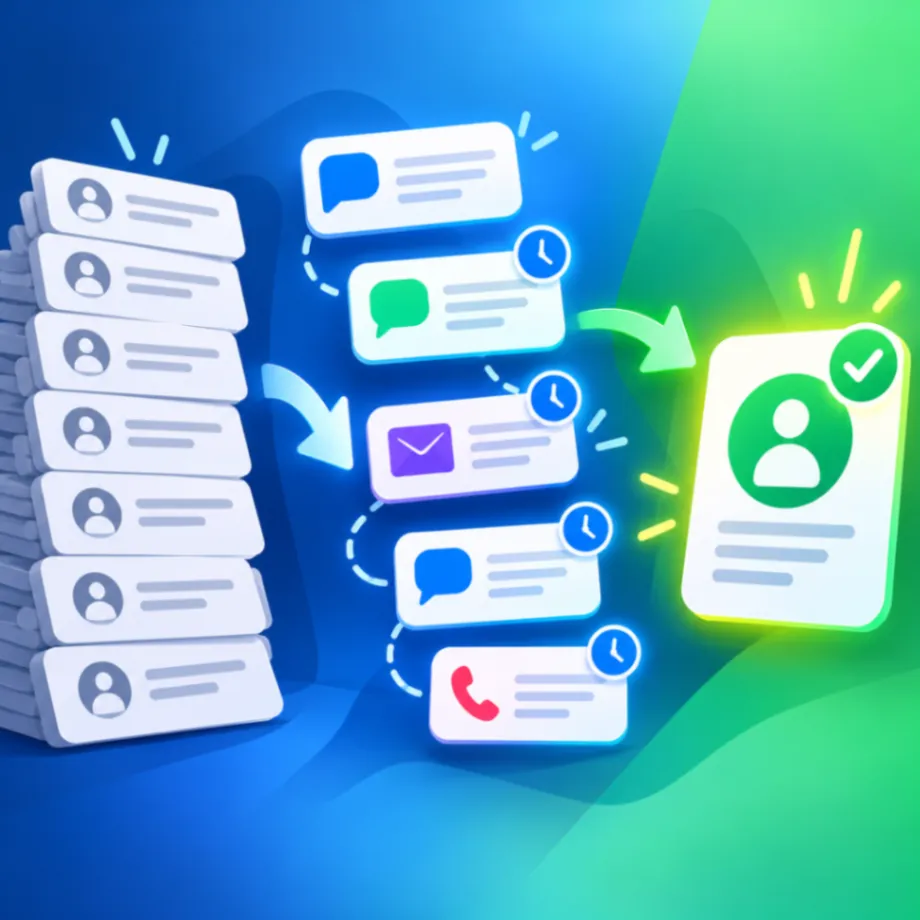
One of the things I’ve learned from spending money on advertising is that a surprising number of people who request pricing never actually sign up.
At first, it’s tempting to assume those leads weren’t serious. Maybe they were just curious about the price, or maybe they decided they didn’t want to spend money on the service.
Sometimes that’s true.
But I’ve also learned that plenty of people who don’t sign up immediately are still potential customers. They simply haven’t made the decision yet.
Someone might request a quote while they’re at work, get distracted, and forget about it. Another person might be comparing companies. Someone else might like the idea of professional dog poop removal but decide to wait until their yard gets particularly bad.
If you’re paying to generate those leads, letting them disappear after one interaction can become an expensive habit.
Why So Many Pooper Scooper Leads Don’t Convert Immediately
Unlike emergency plumbing or HVAC repair, pet waste removal usually isn’t something a homeowner needs to purchase immediately.
Their backyard might be unpleasant, but they can probably tolerate it for another week.
That makes the buying process different.
A person might see your Facebook advertisement, request pricing, and decide to think about it.
They may fully intend to sign up later but never get around to it.
This is one reason I think follow-up is particularly important in the pooper scooper industry.
You’re often selling convenience rather than solving an urgent emergency, so customers may need several opportunities to reconsider the service.
What Our Lead Conversion Numbers Have Taught Me
In one period of our advertising, we generated 181 Facebook leads in Salt Lake City and converted 40 into customers.
In Denver, we generated 118 leads and converted 45.
Those conversion rates were approximately 22% and 38%.
Even in the better-performing market, most people who expressed interest didn’t immediately become customers.
That represents a substantial number of potential opportunities.
Of course, not every lead is worth pursuing indefinitely. Some people live outside the service area, provide incorrect contact information, or simply aren’t interested.
But if someone has already requested pricing and fits your ideal customer profile, I think it’s worth having a consistent process for following up.
How Soon Should You Follow Up?
I’d recommend responding as quickly as practical when someone requests a quote.
If a person is interested enough to submit their information, there’s an opportunity to continue the conversation while the service is still on their mind.
That doesn’t mean you need to personally monitor your phone all day.
Automated responses can acknowledge the request and provide useful information while you’re working.
The important thing is making sure people aren’t waiting unnecessarily for a response.
If someone requests pricing and doesn’t hear back until the following day, they may have already contacted another company or lost interest.
What Should Your Follow-Up Messages Say?
I think a common mistake is making every follow-up message sound like a sales pitch.
You don’t need to continually remind someone that your company is the best pooper scooper service in town.
Often, a simple conversational message is more appropriate.
For example, after sending a quote, you might follow up with:
“Hey! Just wanted to make sure you received the pricing for your yard. Let me know if you have any questions.”
A later message might ask whether they’re still considering service or need help getting started.
If you offer online signup, including a direct link can make the process easier.
The goal is to remove friction and give interested customers another opportunity to act.
I’d avoid sending the exact same message repeatedly or creating artificial urgency that doesn’t exist.
How Many Times Should You Follow Up?
There’s no universal number that works for every company.
I’d rather test a reasonable sequence and measure the results than assume everyone needs the same number of messages.
For example, a company might send an initial response, a follow-up the next day, another several days later, and a final check-in after a longer interval.
The exact timing should depend on customer behavior, communication preferences, and applicable messaging rules.
You also need to respect opt-outs and avoid continuing to contact people who have asked you to stop.
The goal is to help interested people make a decision, not annoy them into blocking your number.
What About Leads From Several Months Ago?
This is where things can get interesting.
A lead who wasn’t ready to purchase three months ago may have a different opinion today.
Maybe they adopted another dog.
Maybe they got tired of cleaning the yard.
Maybe their schedule changed, or the backyard became harder to maintain.
That doesn’t mean every old lead should receive endless messages, but an occasional, appropriately authorized reactivation campaign can create opportunities from contacts you already have.
I’ve seen enough value in follow-up and reactivation that we’ve made those processes a major focus of our automation work.
Using Sweep&Go With Automated Follow-Up
I use Sweep&Go to manage our pet waste removal customers, including the recurring service and operational side of the business.
But marketing follow-up is a separate process.
Someone who requested pricing but never signed up doesn’t necessarily need the same communication as an active weekly customer.
That’s why I prefer keeping the operational CRM and marketing automation connected without expecting one platform to handle everything.
HomeFlow Assistant automates lead follow-up, former customer reactivation, and add-on outreach while working alongside existing systems such as Sweep&Go.
For business owners who are busy cleaning yards, this can reduce the need to remember every individual follow-up.
Measure Customers, Not Just Responses
When evaluating a follow-up sequence, I’d pay attention to how many additional customers it produces.
A message that gets a lot of replies isn’t necessarily valuable if none of those people sign up.
Likewise, a sequence that produces fewer responses but consistently converts interested prospects may be worth keeping.
I’d also look at whether certain lead sources respond differently.
Someone who requested a quote directly through your website may behave differently from someone who submitted a Facebook lead form.
Understanding those differences can help improve both your advertising and follow-up.
Before Spending More on Advertising, Look at the Leads You Already Have
I think one of the easiest mistakes to make in marketing is assuming that more leads will solve every growth problem.
Sometimes the better opportunity is improving what happens after someone requests pricing.
If you’re generating 100 leads and converting 20 into customers, improving that conversion rate to 25% would produce five additional customers without requiring more leads.
That’s a hypothetical example, but it illustrates why lead follow-up deserves attention.
Before increasing your advertising budget, make sure you’re giving the people who already expressed interest a reasonable opportunity to become customers.
For more information about growing a pet waste removal company, explore the marketing resources at Poop Scoop Academy.